Pranayama · Blood Pressure · Hypertension
Pranayama for High Blood Pressure:
The Breathing Techniques That Reduce BP
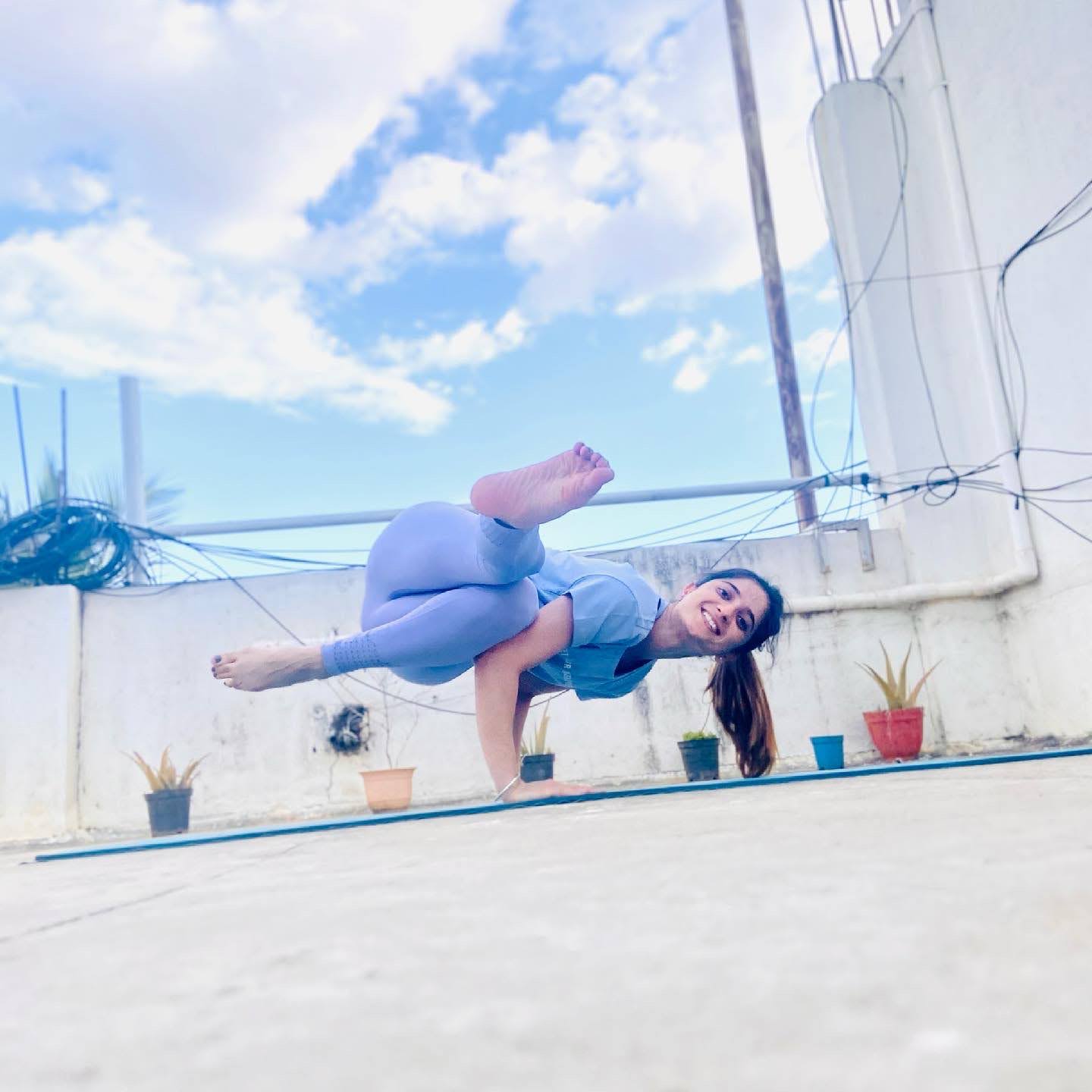
One in three Indian adults has hypertension. Most are on medication for life. What most doctors — and most yoga teachers — don't tell their patients is that specific pranayama practices have been shown in rigorous clinical trials to reduce both systolic and diastolic blood pressure meaningfully. Not as a replacement for medication, but as a powerful complement that can reduce dosage requirements over time.
Hypertension is fundamentally a disorder of the autonomic nervous system. The sympathetic branch (fight-or-flight) is chronically dominant, keeping blood vessels constricted and heart rate elevated. Pranayama works by directly activating the parasympathetic branch (rest-and-digest), reversing this pattern. The effect is not metaphorical — it is biochemical, measurable, and reproducible.
The Clinical Evidence
What the Research Shows
- A 2019 RCT published in Hypertension Research found that 12 weeks of Nadi Shodhana pranayama reduced systolic BP by an average of 10.3 mmHg and diastolic BP by 7.6 mmHg — comparable to a mild antihypertensive drug.
- Bhramari pranayama showed significant BP reduction in a study of 60 hypertensive patients within a single 20-minute session.
- Slow deep breathing at 6 breaths per minute (Pranava breathing) reduced systolic BP by 8–12 mmHg in multiple studies — now being investigated as an FDA-approved device therapy.
⚠️ Critical Safety Note
- Never discontinue or reduce blood pressure medication without your doctor's guidance
- If your BP is above 160/100, seek medical attention before starting any new exercise or breathwork
- Avoid breath retention (kumbhaka) practices if you have uncontrolled hypertension
- Kapalabhati is generally contraindicated for hypertension — avoid it until BP is controlled
- Always practice sitting or lying down, never standing
The 5 Pranayama Practices — In Order of Priority
This is the single most researched pranayama for blood pressure. By alternating breath between the left and right nostrils, Nadi Shodhana balances the left and right hemispheres of the autonomic nervous system — reducing sympathetic dominance and activating parasympathetic tone. Left nostril breathing specifically activates the parasympathetic system; the alternation creates balance. Practicing for 10–15 minutes produces measurable BP reduction within a single session. Over 12 weeks of daily practice, the cumulative effect is equivalent to a low-dose antihypertensive.
- Sit comfortably with spine upright. Rest the left hand on the left knee.
- Right hand: fold the index and middle fingers into the palm. Use the right thumb and ring finger to alternate nostrils.
- Close the right nostril with the thumb. Inhale slowly through the left for 4 counts.
- Close both nostrils briefly. Open the right nostril and exhale for 8 counts.
- Inhale through the right for 4 counts. Close both. Exhale through the left for 8 counts. This is one cycle. Repeat for 10–15 minutes.
The humming vibration in Bhramari stimulates the vagus nerve — the body's primary parasympathetic pathway — within seconds of beginning the practice. Blood pressure drops measurably within 3–5 minutes of Bhramari. The internal vibration also releases nitric oxide in the nasal passages, which dilates blood vessels — a direct mechanical reduction in vascular resistance. This is the practice I recommend to students when they feel their BP rising.
- Sit comfortably. Close your eyes. Take a natural breath in.
- Gently place your index fingers over your ears (or use your thumbs to gently close the ear canal).
- Exhale through the nose while making a steady, smooth humming sound — like a bee.
- The vibration should be felt in the face, skull and chest. The louder the hum, the stronger the vagal stimulation.
- Inhale normally. Repeat 10–15 times. Do 2–3 rounds with brief rests between.
The cooling breath has a direct vasodilatory effect — it literally cools the blood temperature, which causes blood vessels to relax and widen, reducing vascular resistance and blood pressure. This is particularly valuable for blood pressure spikes triggered by heat, anger, or strong emotion — all of which raise BP through vasoconstriction. Sheetali (tongue curled into a tube) or Sheetkari (teeth together, breathing through the gaps) — use whichever you can do.
- Sit comfortably. Roll your tongue into a tube shape and extend it slightly beyond the lips.
- Inhale slowly through the rolled tongue as if sipping through a straw. Feel the coolness.
- Close the mouth. Hold the breath briefly if comfortable.
- Exhale slowly through the nose. This is one cycle.
- Repeat 10–15 cycles. Stop if you feel light-headed.
The single most important variable in breath for blood pressure is exhale length. When the exhale is longer than the inhale, the parasympathetic nervous system is activated. When the ratio reaches 1:2 (inhale:exhale), the heart rate decreases, the vagus nerve fires, and blood pressure drops. This is the mechanism behind the FDA-investigated "slow breathing devices" — yoga has been teaching this for 5,000 years. Begin with 4:8 and work toward 4:16 over weeks.
- Sit or lie down comfortably. Close your eyes.
- Inhale through the nose for 4 counts — slow and steady.
- Exhale through the nose for 8 counts — even slower. The exhale controls everything.
- Do not force or strain at either end. The breath should be smooth and continuous.
- Practice for 10–15 minutes. Over weeks, extend to 4:12 then 4:16.
Shavasana practiced properly — with conscious body scanning and diaphragmatic breathing — is not simply "lying down." It is a systematic activation of the parasympathetic nervous system from the toes upward. Studies have shown 20 minutes of deep Shavasana reduces systolic blood pressure by 6–10 mmHg — a clinically meaningful effect. The key is conscious relaxation of each muscle group, not passive rest.
- Lie flat on your back, arms slightly away from the body, palms up.
- Close your eyes. Breathe naturally. Begin to consciously release tension: feet → calves → knees → thighs → abdomen → chest → shoulders → arms → hands → neck → face → jaw → scalp.
- With each exhale, feel your body becoming heavier against the floor.
- If thoughts arise, return gently to the body scan without frustration.
- Stay 15–20 minutes. Do not rush out — roll to your right side first.
A Daily BP Protocol
| Time | Practice | Duration |
|---|---|---|
| Morning (empty stomach) | Nadi Shodhana → Extended Exhale Breathing | 20 min |
| After lunch | Sheetali or Bhramari | 10 min |
| Evening (stress peak) | Bhramari → Shavasana with body scan | 25 min |
| Before sleep | Extended exhale breathing (4:8) in bed | 10 min |
How Long to See Results?
Most students see reduced morning BP readings within 2–3 weeks of consistent morning Nadi Shodhana. Significant reductions in average daily BP take 8–12 weeks of consistent practice. Track your BP at the same time daily — ideally in the morning before food or medication — to see your trend clearly.
Want a Programme Built Around Your Needs?
Rishu designs personalised yoga programmes — online or in-person in Bangalore. DM her to start.
Message @yogawithrishi_⚕️ Medical disclaimer: For educational purposes only. Not a substitute for medical advice. Always consult your doctor before starting a new exercise programme.