Sleep & Relaxation · Insomnia
Yoga for Better Sleep:
The 20-Minute Bedtime Routine That Works
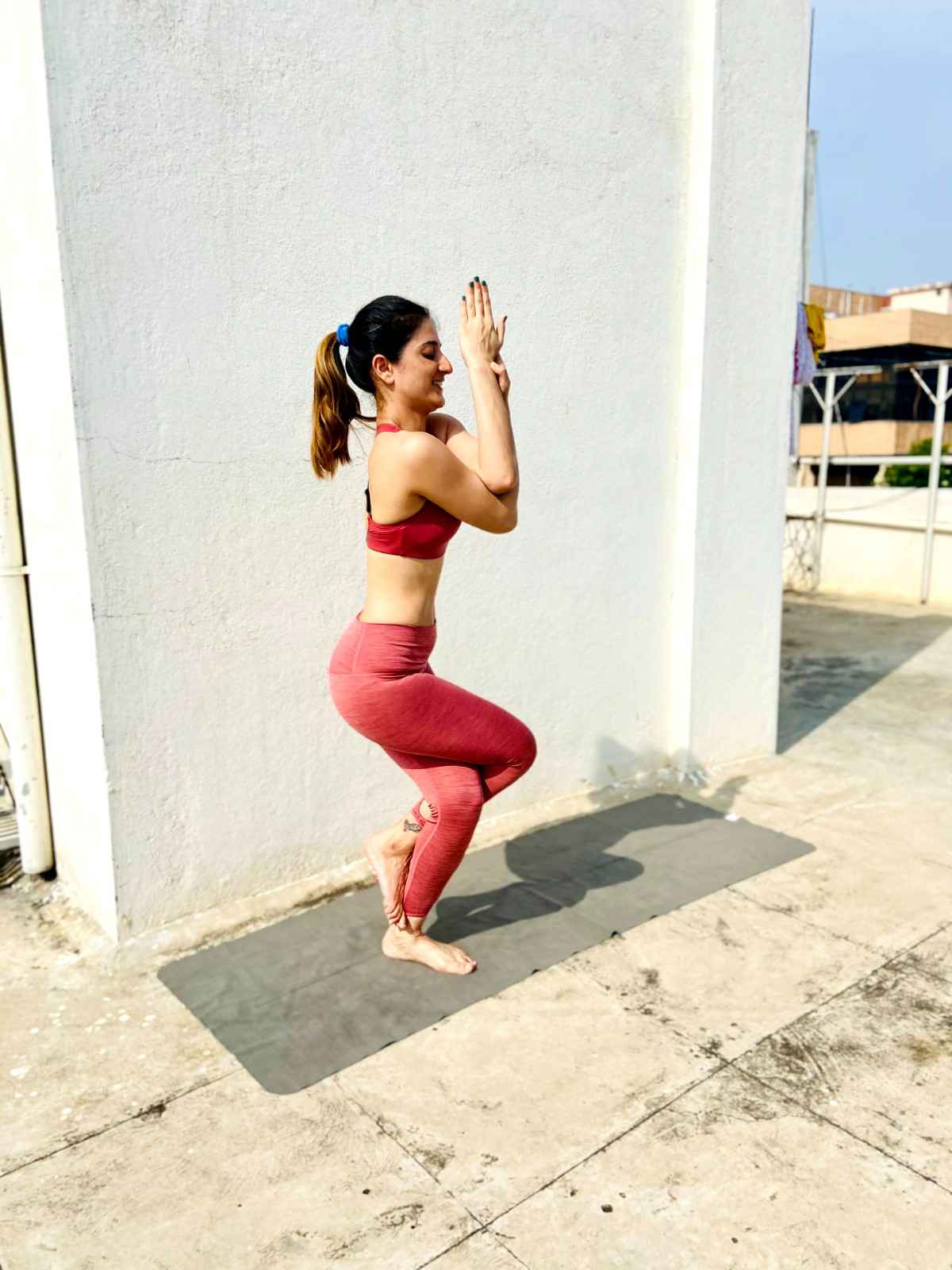
Sleep disorders now affect 1 in 3 urban Indians. In Bangalore, where 9-hour work days, long commutes and screen time have become the norm, poor sleep is practically epidemic. I have worked with dozens of students who came to yoga specifically to reduce dependence on sleeping tablets — and the results have consistently surprised them. Here is the exact routine I teach, and why it works.
Poor sleep is almost never a "sleep" problem. It is a nervous system problem. The sympathetic nervous system (fight-or-flight) is stuck in an active state long after the work day ends — cortisol remains elevated, the mind keeps processing, and the body cannot make the transition to sleep. Yoga's primary mechanism for improving sleep is nervous system downregulation: activating the parasympathetic branch, lowering cortisol, and warming the peripheral body temperature (which paradoxically signals the brain that it is time to sleep).
The Science of Yoga and Sleep
What the Research Shows
- A 2020 meta-analysis of 19 RCTs found yoga significantly improved sleep quality in adults with sleep disorders, with effects comparable to cognitive behavioural therapy for insomnia (CBT-I).
- Yoga Nidra (yogic sleep) has been shown to reduce sleep onset time by an average of 18 minutes and increase total sleep time by 40–60 minutes in chronic insomnia patients.
- Specific restorative poses performed 60–90 minutes before sleep drop core body temperature — the primary physiological signal for sleep initiation.
The 20-Minute Bedtime Sequence
Perform this in your bedroom or a quiet space. Dim the lights 30 minutes before starting. No screens after beginning. If possible, use a warm lamp rather than overhead lighting.
Begin seated on your bed or on the floor. Five minutes of Nadi Shodhana is the most powerful transition from sympathetic to parasympathetic dominance available. This is your bridge from the day to the night. Left nostril breathing specifically is associated with right brain activation and relaxation — you can also simply close the right nostril and breathe only through the left for 5 minutes as a simplified version.
- Sit cross-legged or in any comfortable position with spine upright.
- Alternate nostril breathing: inhale left (4 counts), exhale right (8 counts). Inhale right (4), exhale left (8). Repeat.
- After 3 minutes, switch to left-nostril only: close right nostril, breathe in and out through left for 2 minutes.
- Feel the pace of your thoughts slowing.
The full opening of the hips and chest in this pose releases the accumulated physical tension of the day. Research shows hip-opening poses in the evening measurably decrease cortisol. The passive nature — everything is supported and released — is critical. This is not a stretching exercise. It is a releasing exercise. Let gravity do the work entirely.
- Lie on your back. Bring soles of feet together, knees falling open. Support with folded towels under each knee if needed.
- One hand on heart, one hand on belly.
- Close your eyes. Breathe into your belly — feel it rise and fall.
- With each exhale, consciously release your inner thighs, your jaw, your shoulders.
- Stay for 5 minutes. Do not fidget.
Raising the legs above the heart causes a pooling of blood in the abdomen and thorax, which stimulates baroreceptors that signal the brain to lower heart rate and blood pressure — the physiological state of deep sleep. The peripheral body temperature also drops as blood moves away from the legs, signalling sleep initiation to the hypothalamus. This is why this pose is called "the great equaliser" — it resets the autonomic nervous system to baseline.
- Move close to your bedroom wall. Place a folded blanket or bolster near the wall base.
- Sit sideways against the wall, then swing legs up as you lie back. Hips on the blanket, legs against the wall.
- Arms open at sides, palms up. Eye pillow optional but recommended.
- Breathe with extended exhales: 4 counts in, 8 counts out.
- Stay 5–10 minutes. Do not rush out.
Do this last — in your bed, under your blanket. The body scan guides your awareness systematically through the body, releasing each region. Research from AIIMS Delhi and the US Army shows Yoga Nidra reduces time to sleep onset dramatically and increases sleep depth. The goal is to follow the scan until you fall asleep during it. Do not worry about "doing it right" — the point is to fall asleep, and this is a highly effective way to do so.
- Lie in bed, comfortable. Close your eyes. Take three deep breaths and release.
- Bring awareness to your right foot. Feel it fully. Then right calf, right knee, right thigh, right hip. Repeat left side.
- Awareness to lower back, abdomen, chest, right arm down to fingertips, left arm.
- Throat, jaw, cheeks, eyes, forehead, scalp. Whole body.
- Now simply observe the breath without controlling it. You are likely asleep before this step.
The Pranayama for Stubborn Insomnia
Bhramari (Humming Bee Breath) — For Busy, Anxious Mind
If your mind is racing at bedtime — a common pattern for high-achievers and people under stress — insert 5 minutes of Bhramari before the Supine Butterfly. The humming vibration stimulates the vagus nerve so forcefully that most people feel their thoughts slow within 60 seconds. Practice with ears gently closed, in the dark, to amplify the effect.
4-7-8 Breathing — For Sleep Onset
Inhale 4 counts, hold 7 counts, exhale 8 counts. The extended hold and long exhale create the strongest possible parasympathetic activation — many people fall asleep during the fourth or fifth cycle. Use this if you wake in the night and cannot return to sleep.
Why Sleeping Pills Don't Solve the Problem
Benzodiazepines and non-benzodiazepine hypnotics (commonly prescribed in India) suppress REM sleep and deep slow-wave sleep — the restorative phases your brain needs. You sleep, but the quality is fundamentally different from natural sleep. Over time, dependency develops and the underlying nervous system dysregulation worsens. Yoga addresses the root cause. It takes longer to see results — usually 2–4 weeks of consistent practice — but the improvements compound and last.
Want a Programme Built Around Your Needs?
Rishu designs personalised yoga programmes — online or in-person in Bangalore. DM her to start.
Message @yogawithrishi_⚕️ Medical disclaimer: For educational purposes only. Not a substitute for medical advice. Always consult your doctor before starting a new exercise programme.